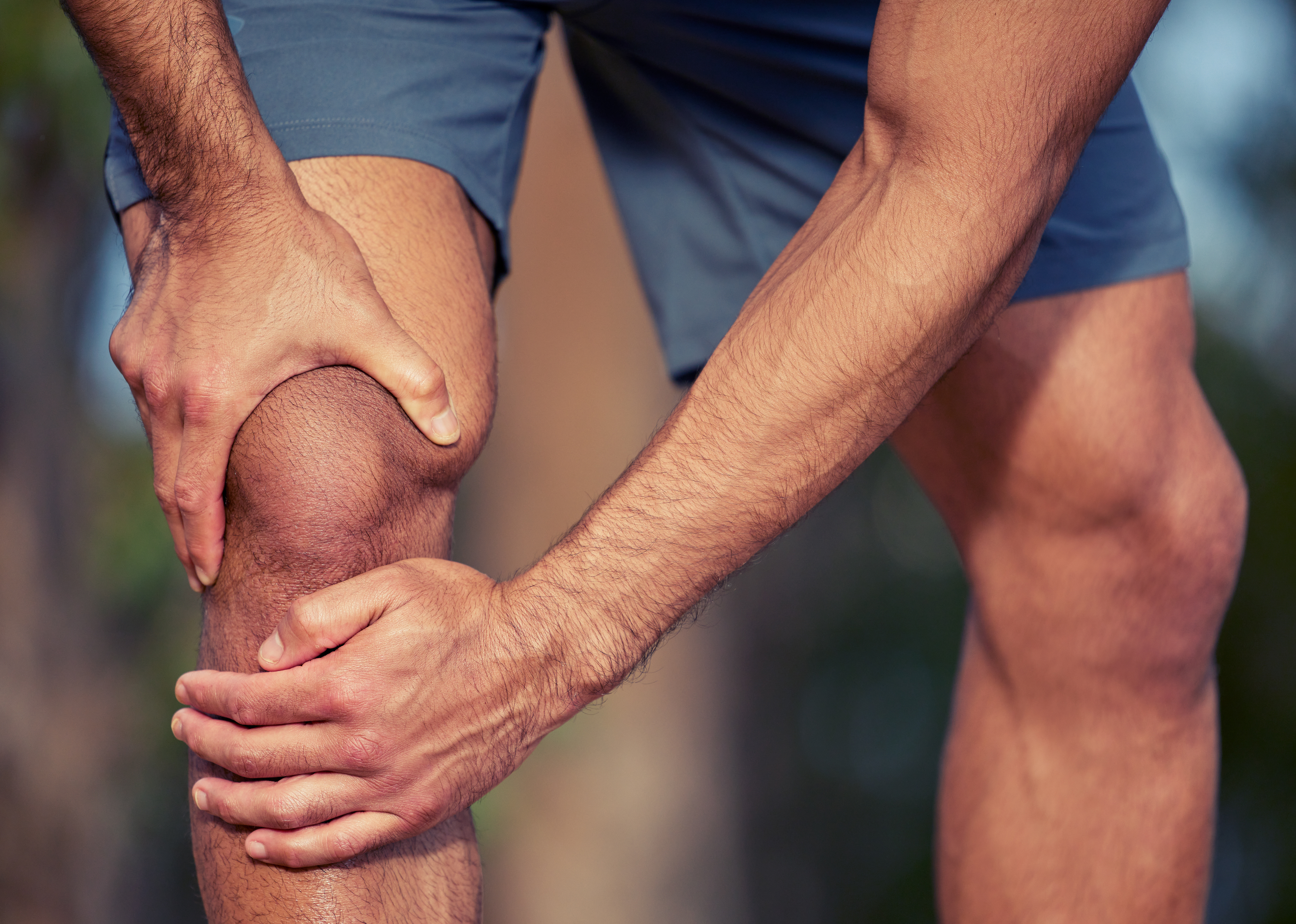
Many active adults in South Florida carry a history of knee injuries from earlier in life—whether from sports, exercise, accidents, or previous procedures such as ACL or meniscus surgery. For years, the knee may feel perfectly fine. Then suddenly, during a workout, a round of golf, a tennis match, or even a long walk on the beach, that old injury starts to flare up again.
If you’re in your 50s and living an active lifestyle, this situation is more common than you might think. The good news is that modern orthopedic care focuses on helping people stay active, mobile, and pain-free for as long as possible. Understanding when to seek care from an orthopedic specialist can help you protect your knee joint and continue doing the things you enjoy.
Why Old Knee Injuries Can Reappear Later in Life
The knee is one of the most heavily used joints in the body. It absorbs stress every time you walk, run, climb stairs, or pivot during sports. When an injury occurs earlier in life—such as a ligament tear or cartilage damage—the joint may heal or be repaired surgically, but the area can remain more sensitive to wear over time.
As we move into our 40s and 50s, several natural changes occur in the body that can affect old injuries:
- Cartilage gradually loses some of its cushioning ability
- Ligaments become slightly less elastic
- Muscles that support the knee may weaken without consistent strengthening
- Previous surgical repairs can experience natural wear
- Early joint degeneration may develop near the original injury site
- For active adults who continue running, playing sports, skiing, lifting weights, or staying physically active year-round—as many people in South Florida do—these changes can sometimes cause an old injury to resurface.
This doesn’t mean you should stop being active. In fact, staying active is one of the best things you can do for your joints. But it does mean that new or worsening symptoms shouldn’t be ignored.
Signs Your Knee May Need an Orthopedic Evaluation
Many people try to push through knee discomfort because they assume it’s just part of getting older. While occasional soreness after exercise can be normal, certain symptoms may indicate that the joint needs medical attention.
Persistent Pain
If knee pain lasts longer than a few days after activity or gradually becomes more frequent, it could indicate cartilage irritation, inflammation, or a new tear in the joint.
Swelling After Activity
Swelling that occurs repeatedly after walking, exercising, or playing sports often means the knee joint is reacting to internal stress or damage.
Clicking, Catching, or Locking
If the knee feels like it catches or locks when bending or straightening, it may signal a meniscus injury or loose cartilage inside the joint.
Instability
A feeling that the knee may “give out” can occur when ligaments are weakened or when the joint is not stabilizing properly during movement.
Loss of Mobility
If it becomes difficult to fully bend or straighten the knee, swelling or structural changes inside the joint may be limiting movement.
When these symptoms begin interfering with daily activities or exercise routines, it’s often a good time to consult with an orthopedic specialist.
Knee Health in Your 50s: Staying Active While Protecting Your Joint
One of the most common goals we hear from patients at Florida Orthocare is simple: they want to stay active. Many people living in South Florida enjoy golf, pickleball, boating, cycling, strength training, tennis, or simply walking outdoors year-round.
As we age, orthopedic care becomes less about “fixing injuries” and more about preserving joint health for the future.
Old knee injuries can sometimes lead to conditions such as:
- Meniscus degeneration, where cartilage weakens over time
- Post-traumatic arthritis, which can develop years after an injury
- Ligament laxity, when previously injured ligaments become less stable
- Cartilage wear, especially in active individuals
- Addressing symptoms early can help slow these processes and keep the joint functioning well.
What to Expect During an Orthopedic Visit
If you visit an orthopedic specialist at Florida Orthocare, the goal is to understand exactly what is happening inside the knee so the most appropriate treatment plan can be created.
The evaluation typically begins with a conversation about your medical history, including any previous injuries or surgeries and the types of physical activities you enjoy.
Your physician will then perform a physical examination to assess knee stability, strength, range of motion, and alignment. Imaging studies may also be recommended, including:
X-rays, which help evaluate bone structure and arthritis
MRI scans, which provide detailed images of ligaments, cartilage, and meniscus tissue
These tools help determine whether symptoms are related to inflammation, cartilage damage, ligament problems, or early joint degeneration.
Non-Surgical Treatments Often Provide Relief
One of the most important things patients should know is that surgery is not always necessary. Many flare-ups of old knee injuries can be managed with non-surgical treatments that improve function and reduce pain.
Depending on the diagnosis, treatment may include:
Physical Therapy
Strengthening the muscles around the knee—particularly the quadriceps and hamstrings—helps stabilize the joint and reduce stress on injured structures.
Activity Adjustments
Small modifications to exercise routines can allow you to stay active while protecting the knee.
Anti-Inflammatory Treatments
Medications or targeted therapies may help reduce swelling and irritation within the joint.
Bracing
Supportive braces may provide additional stability during activity.
Injection Therapies
In some cases, injections can help reduce inflammation or support joint lubrication.
The goal of these treatments is to keep patients moving comfortably while preserving the natural joint as long as possible.
When Surgery May Be Recommended
If conservative treatments do not improve symptoms, surgical options may be discussed. Surgery is typically considered when structural damage significantly affects daily life or activity levels.
Procedures may include:
Arthroscopic repair of a meniscus tear
Ligament reconstruction
Cartilage restoration procedures
Joint stabilization techniques
Modern orthopedic techniques are designed to be minimally invasive whenever possible, allowing for quicker recovery and return to activity.
The Importance of Addressing Knee Pain Early
One of the biggest mistakes people make is waiting too long before seeking medical advice. Minor joint irritation or small cartilage injuries can often be managed effectively when caught early.
However, untreated knee problems may worsen over time, potentially leading to more significant joint damage.
By seeing an orthopedic specialist when symptoms first appear, patients often have more treatment options available and can avoid more invasive procedures later on.
Helping South Florida Residents Stay Active
At Florida Orthocare, our goal is to help patients throughout South Florida maintain healthy joints and continue living active lifestyles. Whether you enjoy competitive sports, recreational exercise, or simply staying mobile and independent, protecting your knee health is essential.
If an old knee injury has started causing pain, swelling, or instability, an orthopedic evaluation can help determine the cause and create a plan for recovery.
Taking care of your knees today can help ensure you stay active and comfortable for many years to come.